
Earn Money While Saving The Planet: The Best Tips For Making a Depop Store

Image: Forbes

What is Depop?

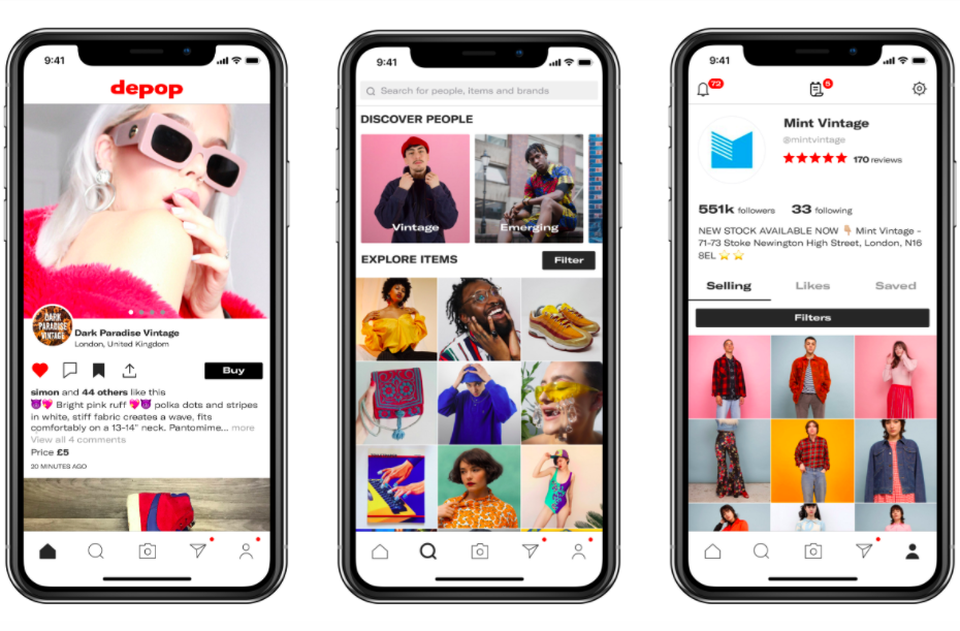
Founded in Milan in 2011, Depop is a social shopping platform where users create profiles that function as a digital storefront. Depop users sell their used clothing and accessories by posting pictures and descriptions. If sellers are successful enough, sometimes they’ll start their own brand and distribute it exclusively through Depop, which can be very lucrative.

How is Depop Helping the Environment?

The resale business may be the future of sustainable fashion. North Americans send over 10 million tonnes of clothing to landfills every year 95% of which could be reused or recycled. Reusing clothes avoids water and fertilizer use, greenhouse gas, overfull landfills, and other environmental issues that result from using garment production and disposal. By reusing clothes, you aren’t just helping the environment short term while Depop and vintage clothes are popular, you are also helping create a culture where recycling becomes the norm across all areas of life.

Below is a step-by-step tutorial that will teach you how to create a successful Depop Store

How to Use Depop

Step #1: Download & Sign Up

 You will first need to download the Depop app in the Apple App Store or Google Play store for Android users. Depop makes signing up super fast and simple, you can sign up with your facebook account or email.

Step #2 Create a Profile

Once you have download the app, you can create a profile page, which will act as your storefront. Adding a picture of yourself and filling out the profile questions, will help increase trust among potential customers. Detailed user profiles are essential to your Depop store because it lets buyers know you’re reliable and gives you a chance to showcase your personality.

Step #3: Take your Pictures

It is crucial you get the best pictures possible to show off your items. Try to photograph your items in natural light; they always turn out better than photographs with flash or in the evening. Remember to keep it simple. Use a white backdrop that does not divert the buyer’s attention from the product. Make sure the clothing looks it best, do up any buttons, and steam if necessary to get out the wrinkles. According to Depop laying items, flat makes the item 60% more likely to sell. Sometimes I like to model myself to showcase my own personal style and give my customers outfit inspiration.

Step #5: List you Item for Sale

Tap the camera icon and add a new listing. Add your photos and clear description of the item. Make sure to also specify you location, delivery method, price and size. Press “post listing” and your store will be ready to go!

ADDITIONAL TIP: Annie’s Favourite Depop Stores

It is also great to buy clothing on Depop. Here are some of my favourite shops:

@WEVINTAGE
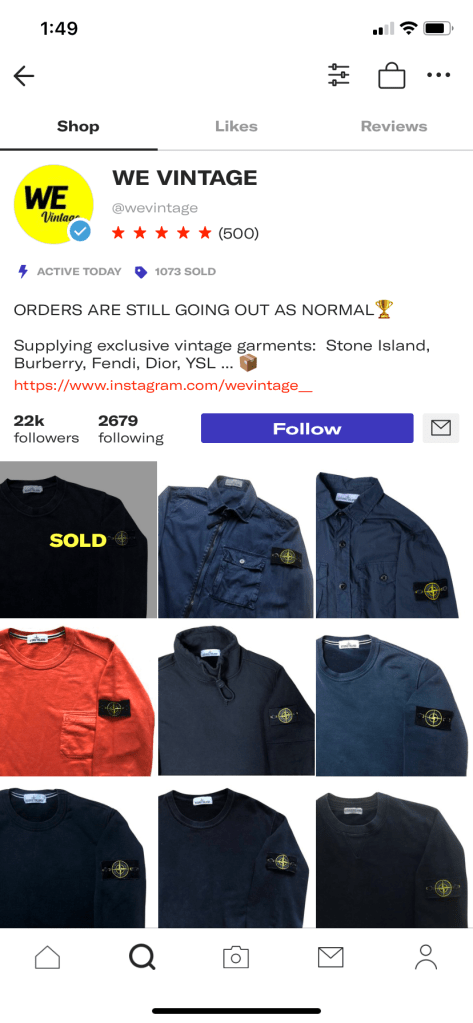
WE VINTAGE sells great designer clothing and have brands like Stone Island and Dior.

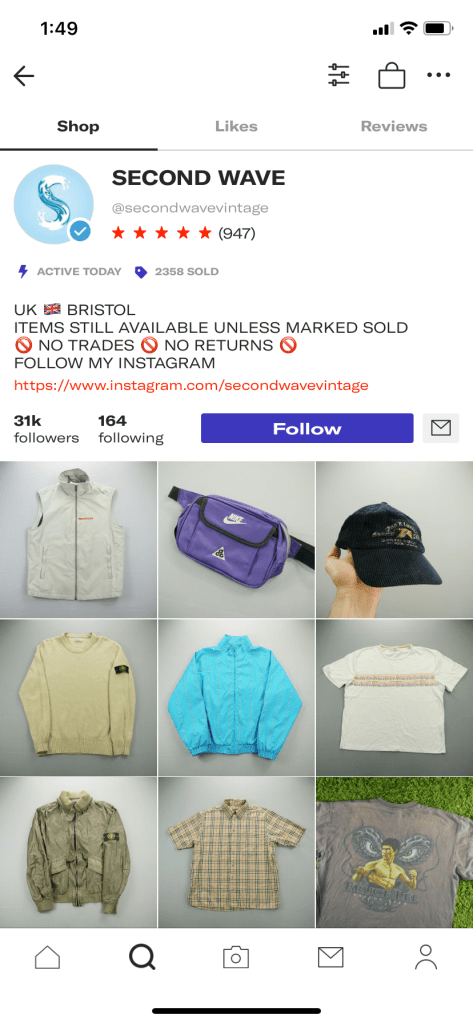
@SECONDWAVEVINTAGE

SECOND WAVE sells unique vintage clothing such as nike fanny packs from the 90s.

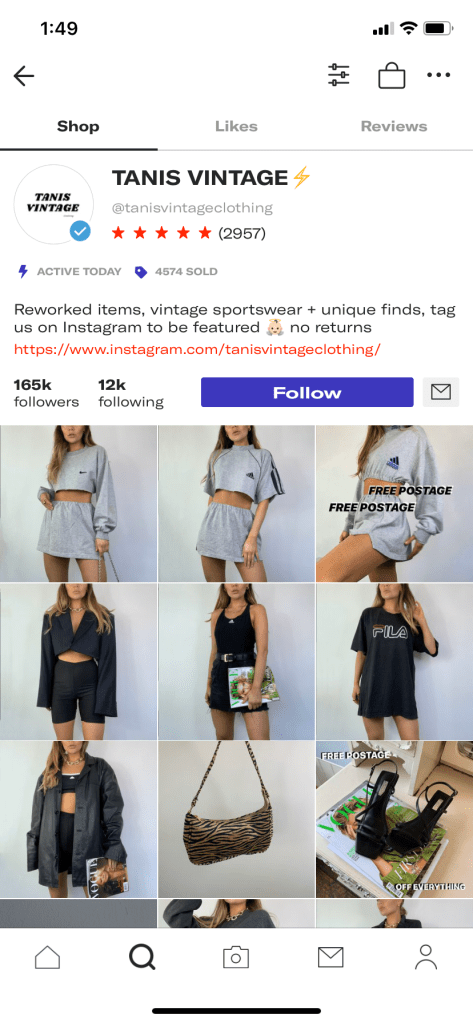
@TANISVINTAGECLOTHING

TANIS VINTAGE sells great on-trend accessories like squared toed sandals and shoulder bags

Cotton is killing. Let fashion brands know you care.

#COTTONISROTTEN

Image: Medium

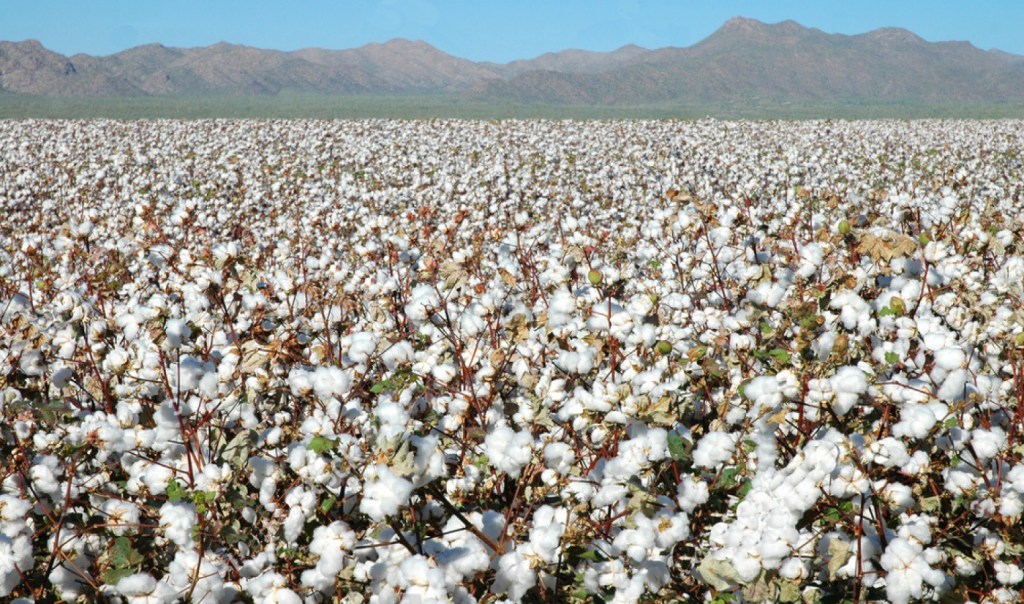
Your favourite t-shirt may be toxic. Cotton is a popular fabric used in clothing. In fact, 75% of the world’s clothing products contain cotton. Unfortunately, cotton has catastrophic environmental drawbacks. Cotton is killing, and we have the power to help. This petition will explain the cotton industries harmful environmental impact and show you how to help stop it.

WATER WASTE

The cotton plant is thirsty. 

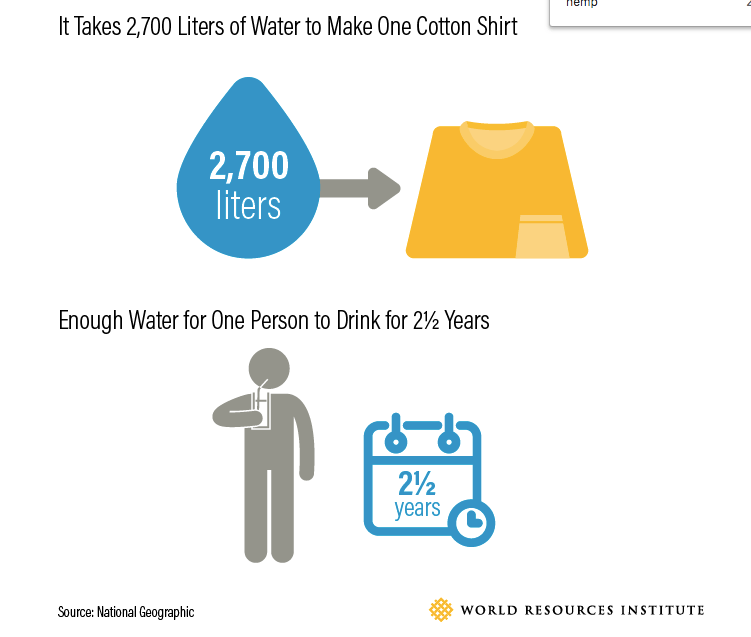
“8506 liters of water (irrigation and rainfall) are needed on average to grow 1 kg of cotton lint (or roughly a pair of jeans) and the textile industry is estimated to use 378 billion liters of water annually, using up to 200 liters of water to process, dye and finish each kilo of textiles.”

WWF
Image: Greenbiz

1/3 of the worlds population lives in countries that experience water shortages. 

It is unethical and unacceptable that so much water is being wasted on cotton plants. Did your new cotton dress take water away from someone suffering? I might have.

PESTICIDES & INSECTICIDES 

Image: WiseGEEK

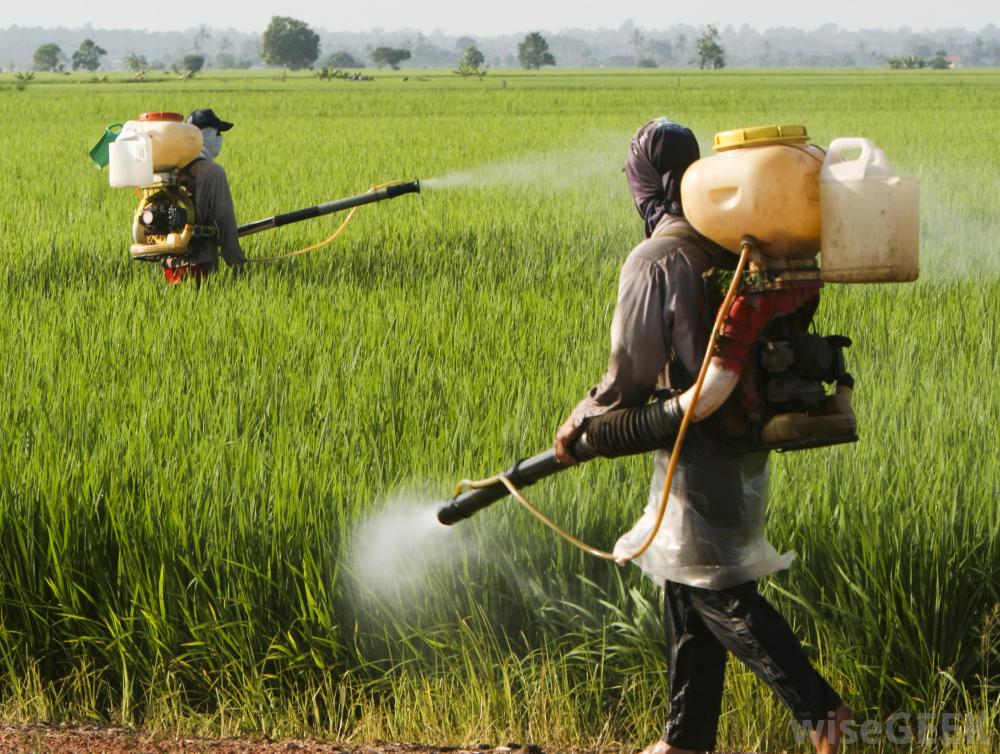
Cotton production accounts for 18% of worldwide pesticide use

Cotton production accounts for 25% of worldwide total insecticide use.

Producers of conventional cotton are being poisoned by the heavy pesticide use. Over 10,000 US farmers die each year from cancers related to such chemicals. As reported by The Guardian, cotton plants rely on these harsh chemicals for production. Pesticides and insecticides are strong chemicals that are released into the environment, destroying ecosystems and harmfully effecting the health of farmers.

Pesticides and insecticides also harm our planet. These chemicals are designed to kill, and when they enter the earths delicately balanced ecosystems they damage them. Pesticides and insecticides damage soil, water, and other vegetation. They are harm/kill a host of other organisms beneficial to the earth such as birds, fish, insects and plants.

Next time when you are out shopping, think about if your new cotton sweater is more important than human life and the state of our planet? 

Solution

There are environmentally friendly alternatives to cotton! Lets force corporations to use them!

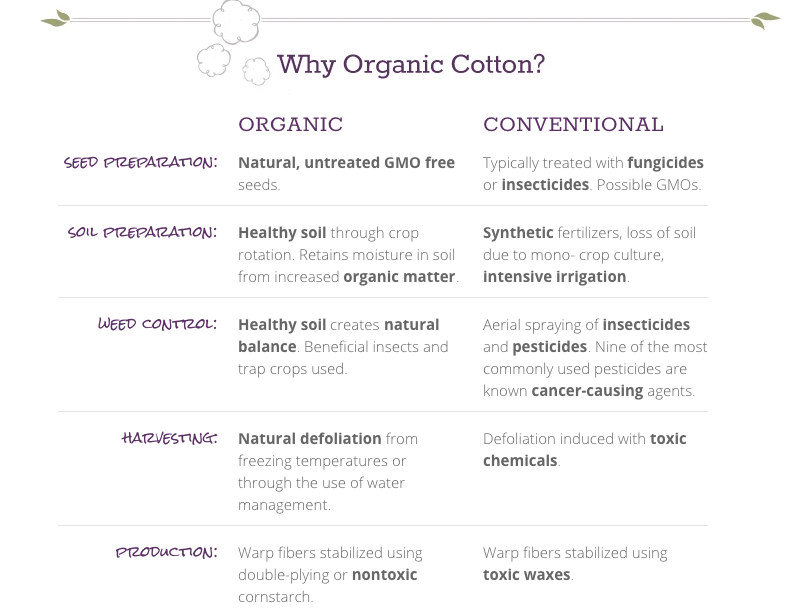
Organic Cotton

Organic cotton is a great an excellent alternative to regular cotton because it is grown without toxic chemicals.

Image: Soluna Collective

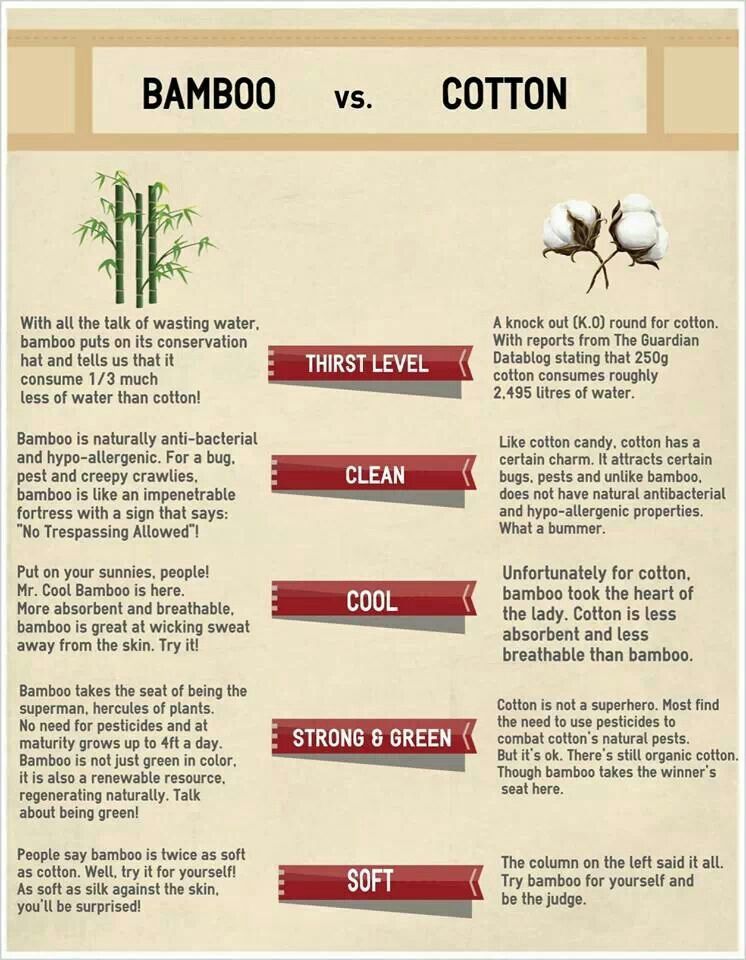
Bamboo

Another great cotton alternative is bamboo. Bamboo requires less water to grow than cotton and has the ability to self-replenish.

Image: The Eco Hub

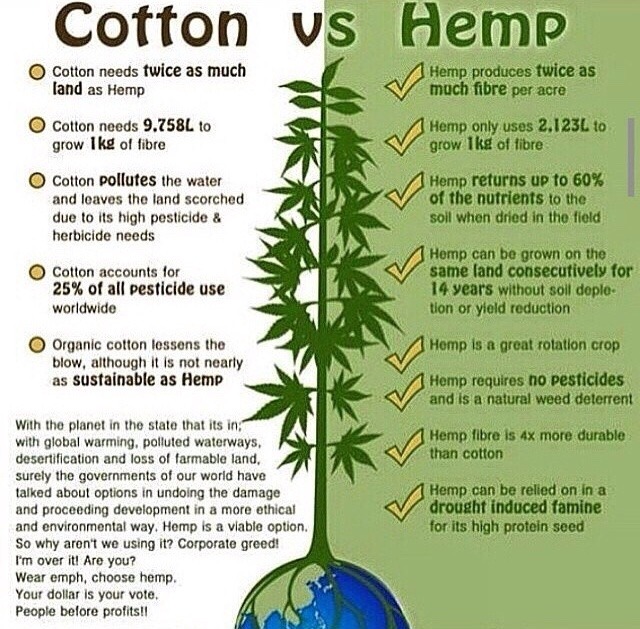
Hemp

Hemp is another great material to swap with cotton. Hemp is cost-effective and is easy on the environment. It does not require lots of water and does not shed toxins into our water supply or ecosystem.

Image: Plants and Textiles

Call to Action 

By supporting organic cotton distributors and companies using sustainable cotton alternatives like bamboo and hemp, together, we can reduce the environmental impact of cotton production.

As consumers, we have the power to demand change. Sign this petition to let fashion brands know that you care about the environment and the quality of human life.

Show your support on social media by sharing this petition with the hashtag #CottonIsRotten. Circulating this petition will shine a light on the unethical cotton industry and remind people to make informed decisions about the kinds of materials you choose to purchase.

You have a voice, it’s time for you to use it.

Fast-Fashion Memes: Expressing Outrage

Image from: http://www.rosietheriveter.org/

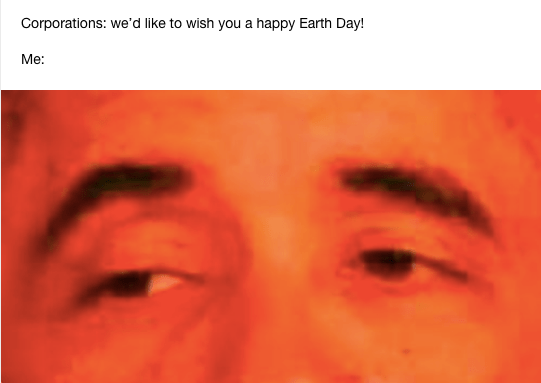
With Earth Day coming up next month, what better way to celebrate it than with some corporate greenwashing? There is nothing like hearing a few uplifting words about our planet from fast fashion companies with brutal environmental track records. Here is a meme that describes how many people feel when they see “Happy Earth Day” from brands with atrocious eco-footprints. 

This meme circulates among environmentalists on Twitter, Instagram and Pinterest. The meme is a red filtered image of former president Barack Obama. The meme is typically featured online accompanied by text mocking various aspects of culture. This meme has circulated heavily around the internet by people passionate about saving our planet, proving that it has established a cultural impact on society. It is also included in the Buzzfeed article “26 Memes For People Who Love The Environment More Than They Love People.”

The meme’s origin began on august 17th, 2017 when Tumbler user Spooky-Grimwhoire posted a series of screenshots of a role-play text message conversation.

Image: Know your Meme

According to Know your Meme, on August 23th 2017, the image is gets reposted by Tumbler user Mindfulwarth, and gains over 237 000. After, even more accounts start circulating the meme, and adding their own text to comment on a different issue. The meme is not just to make people laugh, its social commentary on a global issue, meant to evoke an emotional response in the viewer to mobilize change. The viral nature of the meme is likely a product of the unethical nature of the fashion industry. People are feed up with the fast-fashion corporations, professing to be sustainable and animal-friendly as a PR strategy.

Below are some example of corporate greenwashing:

Saks Fifth Avenue is one company jumping on the greenwashing bandwagon.

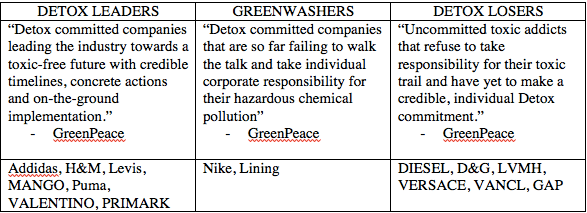
Just because the department store may wish their customer’s happy earth day, does not mean they are doing anything sustainable or ethical. The high-end department store has an enormous selection of furs ranging from sable  $9000 jackets to $6000  mink capes. The department store also carries brands that use polluting factories and harmful sweatshops. Environmental campaign group Greenpeace found traces of chemicals that can pollute waterways in children’s clothing and shoes made by luxury brands. The 2014 Greenpeace report said it found these harmful substances in products from Dolce & Gabbana, Giorgio Armani, Versace, Hermes, Christian Dior, Louis Vuitton, and Marc Jacobs. Each brand mentioned, is sold at Saks Fifth Avenue. Now, in 2020, Greenpeace has an initiative “The Detox Catwalk,” which uncovers which clothing companies are on actually on the path to toxic-free fashion, not just claiming they are. The initiative has three categories: detox leaders, greenwashers, and detox losers. 

Table by: Annie Chusid

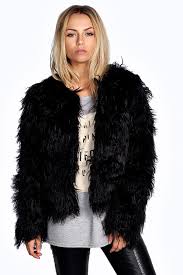
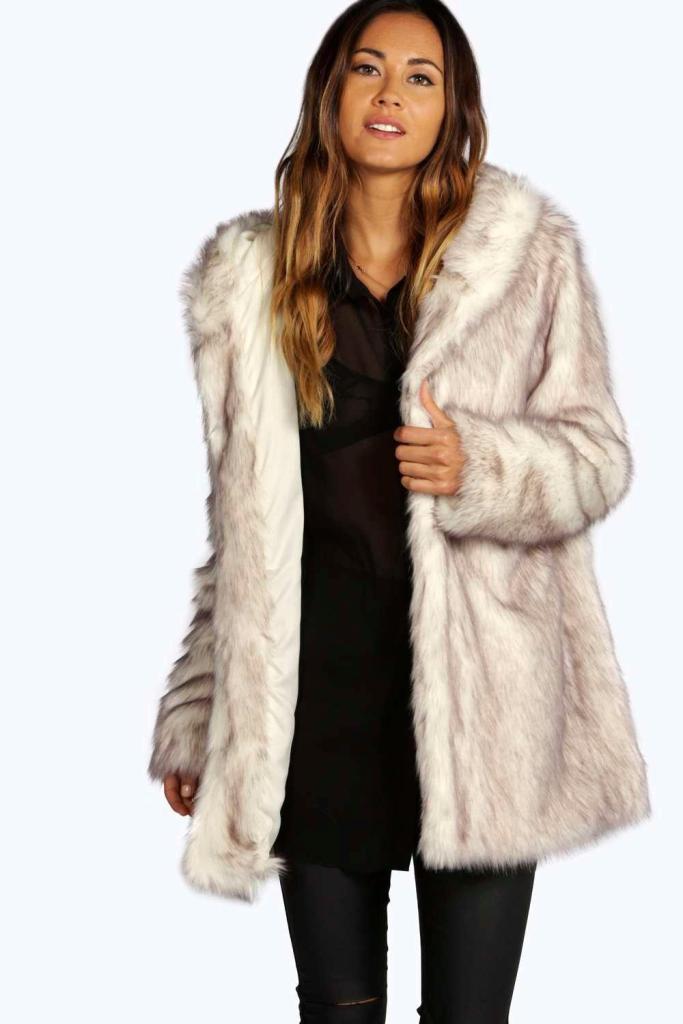
Another example of the corporate greenwashing is company Boohoo. In February 2019, Boohoo announced they would be banning all wool in their clothing and accessories. Peta called Boohoo Group’s ban a “compassionate, business-savvy decision.” It was later revealed that no wool products were actually stocked by Boohoo, and that the fake fur they retailed may actually be even worse for the environment because fake fur is typically made from plastic materials, which is not biodegradable. In sum, Boohoo attempted to make themselves appear like they were taking steps to make their brand more sustainable, when in reality, they did not change anything.

Yet another example of a brand that is seemingly “eco-friendly” is & Other Stories. Vice reports that their images are overlaid with the words “Stockholm Atelier,” as if to imply that the product was created in their Swedish factory, with all the labor rights and protections that are (usually) afforded European factory workers. Vice states that the products may have been designed in Stockholm, however, if you look at the clothing tags and you’ll see that the products are made in Bulgaria, China, and Bangladesh. Owned by H&M, & Other Stories uses the same supply chain as its low-cost, fast-fashion owner. The & Other Stories website includes a tour of their Stockholm Atelier, with videos of designers discussing how they create their products, not shown are the factories in developing counties where their designs get made.

Image from: https://www.stories.com/en_usd/latest-stories/stockholm-atelier.html

Saks Fifth Avenue, Boohoo, and & Other Stories are just a few reasons people are fed up with corporate greenwashing and are using memes to communicate their frustration. This up coming Earth day on Wednesday, April 22, share this meme and help put a stop to corporate greenwashing!

Dress for Success

Public speaking can be remarkably nerve-racking. Even A-list celebrities like Harrison Ford have a fear of public speaking, which he refers to as

“a mixed bag of terror and anxiety.”

Harrison Ford

Fear is a normal part of presenting, but being nervous should not squash your confidence. To deliver an excellent presentation, you need to build up courage; if you are hesitant or tentative, your performance will not be credible or convincing. Have you ever noticed you carry your head a little higher when you’re wearing a great outfit? When you feel confident about your appearance, you feel unstoppable. As finals quickly approach, it is time to overcome your fear of presentations and become your most confident self. I sat down with management student Adam Clark, Science Student Lauren Flesher, and Arts Student Liv Cohen to find out how they become their most confident self to nail their presentations.

Annie Chusid: What is most nerve-racking to you about public speaking?

Adam Clark (Management Student): “Getting information wrong. Most of my professors don’t like it when we use cue cards, so it’s essential that I practice enough to make sure I present all my information accurately. I don’t want to forget anything and get marks taken off. I also don’t want to mess up facts and spread fake news. Our society doesn’t need any more fake news circulating. 

Olivia Cohen (Arts Student): “I used to have horrible anxiety when I had to do a presentation. For some strange reason, I am always nervous about pronouncing a word wrong. My friends are always calling me out for mispronouncing words. I know this sounds silly, but I never want to look dumb or ignorant in front of my class. ” 

Lauren Fleshner (Science Student): “I am an introvert who avoids public speaking. As a science student, I don’t have to present very often, but when I do, I can very anxious. Sometimes I cant even sleep the night before. When it comes to public speaking, I am my worst own enemy. What makes me the most nervous is stuttering or getting so nervous that I forget what I am supposed to say.”

Annie Chusid: How do you calm your nerves before a big presentation?

AC: “I just make sure to rehearse my presentation multiple times. Sometimes I will make my roommates sit down and listen to my presentation. It helps to get constructive feedback. I find that when I have already presented in front of my friends, I feel more confident about presenting in front of my classmates. It’s much harder to perform in front of a small group than a large group. It’s all about feeling your best and not psyching yourself out. If you feel good, you will do good.”

OC: “Breathe. Breath Breathe. I know that’s basic advice, but taking deep breathes really does help you calm down. Deep breaths can physically calm your body when you are feeling anxious. Mindfulness is also essential when your taking deep breathes. Just focus on your breath and let any thought fade away.”

LF: “Exercise. I try to work out four times a week. Even when I am stressed, I try to make time to get in physical activity because it calms my nerves. If I don’t have enough time to go to the gym, I will do an at-home workout. Before a presentation, I try to do a quick at-home exercise to calm myself down. I will typically just follow a video on YouTube. My favourite YouTube workout videos are by the Pamela Reif. She makes great videos that make me want to work out.”

Annie Chusid: What do you wear to a presentation to feel your best? 

AC: Depends on the class and how much the presentation is worth. If it’s a chill class, I will throw on a t-shirt and go for a venture capitalist vibe. If its an important presentation or a competition I put on a suit. T-shirts and jeans are great because they are comfortable, but there is something about wearing a suit that increases my confidence. Something about putting on formal clothes makes everyone feel more powerful, not sure why I am not a psychology major. 

OC: Nothing too formal. I like to look put together, but not over the top. I dress in a way that reflects who I am; I think that’s very important, especially in an arts setting. I try to find a balance that commands respect from my classmates, but also doesn’t make me look like I am trying to hard. I want to feel comfortable and confident. I will typically wear dress pants and a bright top that will grab everyone’s attention. 

LF: Normally, we have to wear a lab coat. If it’s a class not in the science facility, I will wear something that makes me look presentable—no stains, no wrinkles, no bright colours. I have a Downy Wrinkle Releaser, which is a pray that smooths away wrinkles in seconds. Its a miracle product. I try to keep my look clean and crisp. I always feel better when I like my outfit and look put together. I never want to do a presentation when I am feeling insecure. 

Slips, Structure and Sustainability: A Review of Copenhagen Fashion Week

A Look at GANNI, Helmstedt and Micheal Olestad

Let’s give a huge round of applause to Copenhagen Fashion Week 2020

In early 2020, Copenhagen Fashion Week unveiled its Sustainability Action Plan, which is designed to help transition and develop the fashion industry’s commitment to sustainability. Copenhagen Fashion Week uses its powerful platform to promote sustainability by exclusively showcasing brands that are eco-conscious and implement safe working conditions. This week, I will review three of the stand-out collections from Copenhagen Fashion Week. 

GANNI

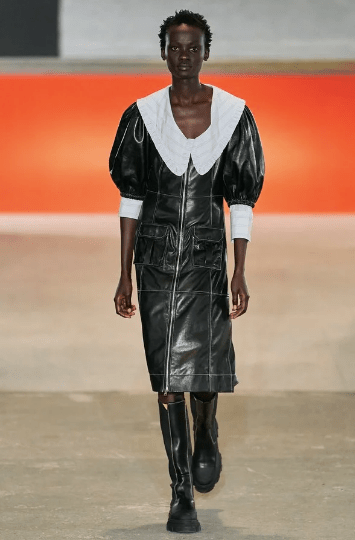
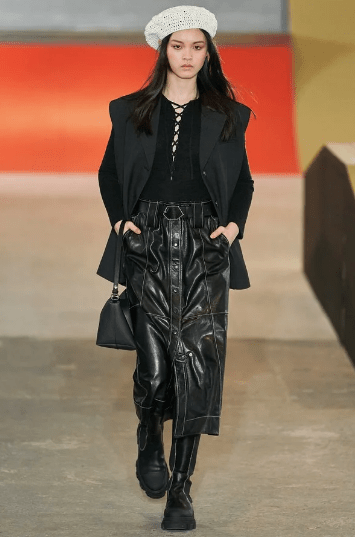
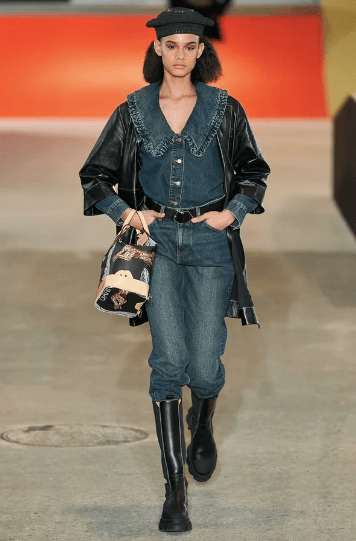
The GANNI collection is hugely representative of Copenhagen: creative, innovative, and sustainable. The GANNI runway was a combination of classic pieces like a structured monochrome blazer and high fashion staples like black lug boots. Other highlight details in the collection include a sparkly slip dresses, reused-denim, and chic knit berets. Committed to making ethical clothing, GANNI has been mapping its carbon footprint since 2016 and is offsetting their CO2 emissions with carbon credits. The woven tank tops and rugs are made with fabric scraps of from the brands extra clothing from previous lines that didn’t sell. In a press release, the brand stated:

For 2020 project GANNI is challenging creatives to work with responsible materials aiming to reuse and recycle existing GANNI materials from previous season collections in interesting ways to create unique and one-of-a-kind products.

GANNI co-founder and creative director Ditte Reffstrup

GANNI is the intersection where high fashion meets ethicality. GANNI’s commitment to sustainability and creativity in each of their collections never ceases to disappoint.

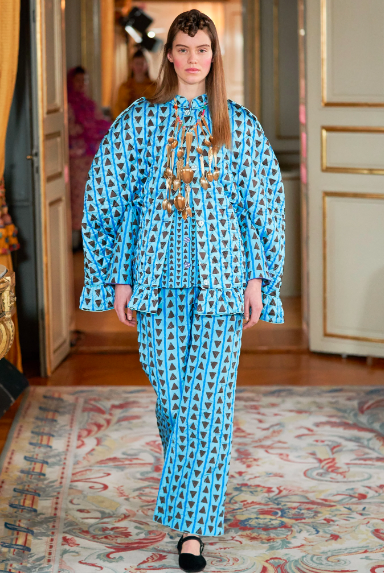
Helmstedt

Emile Helmstedts collection filled with statement dresses and silk silhouettes brought me into a nostalgic haze. The line is vibrant, whimsical, and unique. Located at Copenhagen’s French Embassy, the explosion of pastel colours gave the event a playful flare and lively atmosphere. The collections included long structured, colourful dresses, checkered suits, and a textured purple puffer jacket. The collection merged the worlds of fashion and art, delivering a show we won’t forget.  Helstedts’ clothing is made from 100%  organic materials. The only issue with the collection is that it had very view basic pieces. The colourful and eye-catching patterns are definitely not something most people wear on a daily basis. Though I can appreciate the beauty and distinctiveness of Helmstedts designs, there are no pieces in the line that I would purchase.

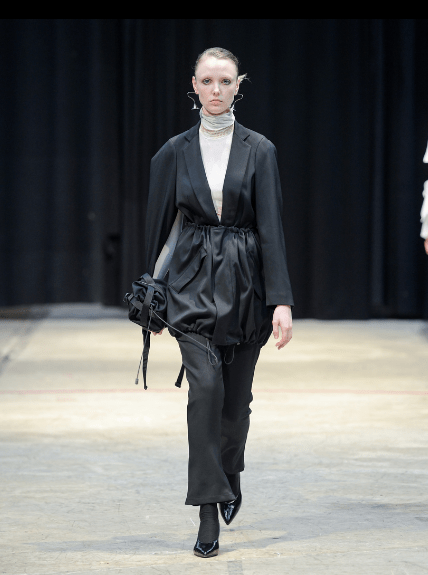
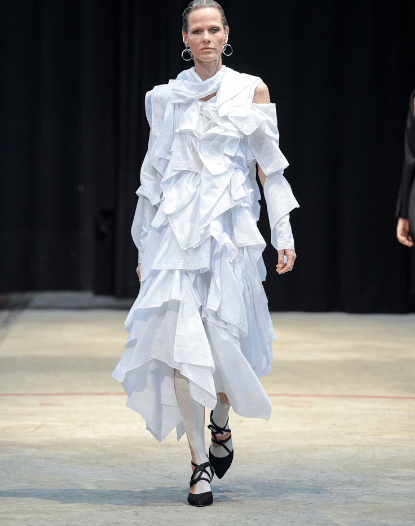
Micheal Olestad

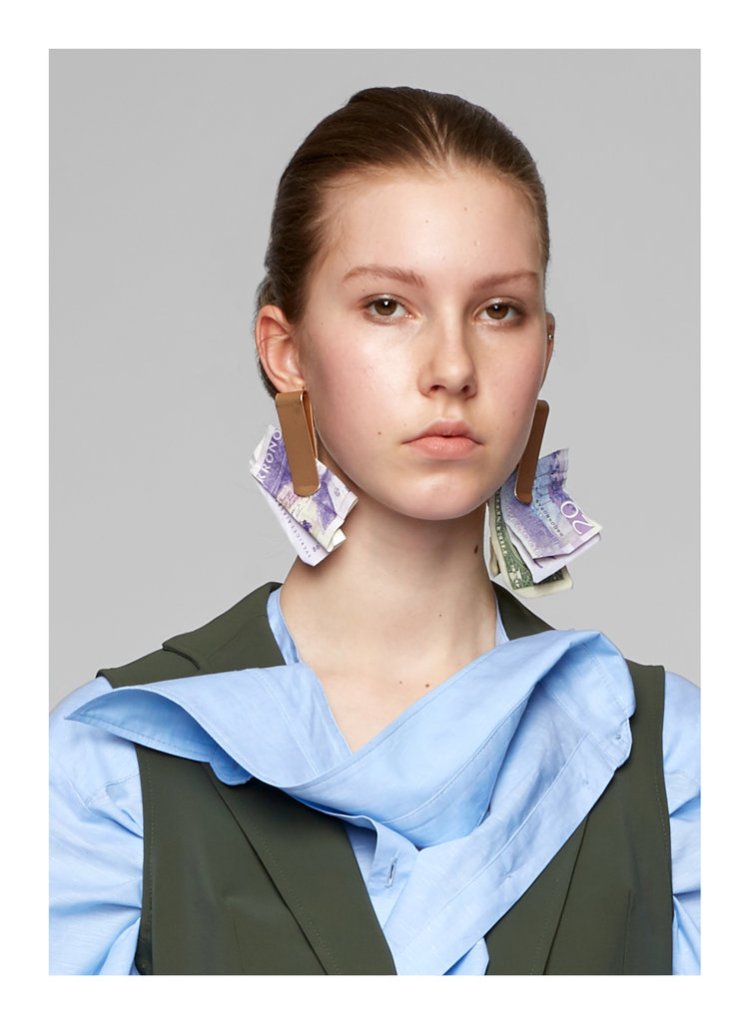
Fusing minimalism with magnificence, Norwegian womenswear designer Micheal Olestad’s collection was a work of art. Making his debut at Copenhagen Fashion Week, Olestad’s impeccable eye for detail and his unorthodox approach to silhouettes makes him the designer to watch. The collection featuring oversized belted trench coats, beautifully draped slip dresses, and avant-garde accessories like a money-clip, delivered a unique aesthetic into the landscape of Scandinavian fashion. Olestad recreates the contemporary Nordic style, with a futuristic twist that pushes for sustainability and diversity. The collection offered fascinating looks like reworked denim and bracelets made of mirrored plastic—which act as a potent reminder that material can be reused. Olestad’s entire debuted collection is infused with metaphors symbolizing a transition from fast fashion to sustainability. There is a timelessness in Olestad designs, making the collection full of wardrobe staples—the perfect antidote to overconsumption. The versatility of the line, combined with recycled materials, proves that fashion can be both eco-friendly and stylish. Olestad’s line was the most impressive collection I saw at Copenhagen Fashion Week.

Each designer is a creative powerhouse, combining culture with ethicality to create a fashion utopia. Copenhagen fashion week stands out with its ground-breaking new approach that requires brands to meet sustainability standards. Hopefully, other fashion weeks will follow Copenhagen’s lead to ensure the industry is taking sustainability seriously.

Change the World One Purchase at a Time: A Guide to Ethical Fashion

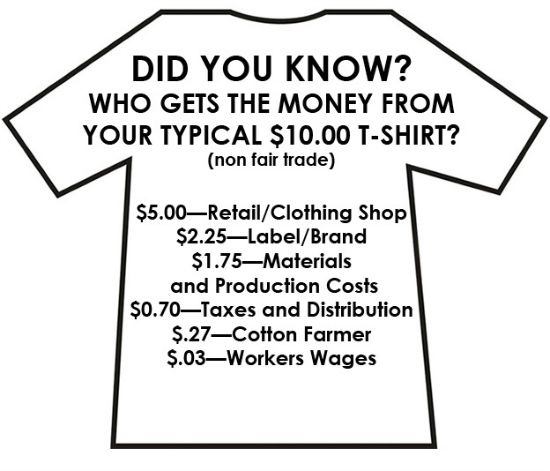
We all know the feeling: that ecstasy of getting home with a bag full of new clothing you’ve bought without breaking the bank. As consumers in Western culture, we have become accustomed to fast fashion—we buy inexpensive clothing to follow the latest trends, and throw them away once a new fad comes along.  Fortunately, there are fantastic alternatives to fast fashion, reminding consumers that ethically made clothing can still be trendy and affordable. 

1. Read

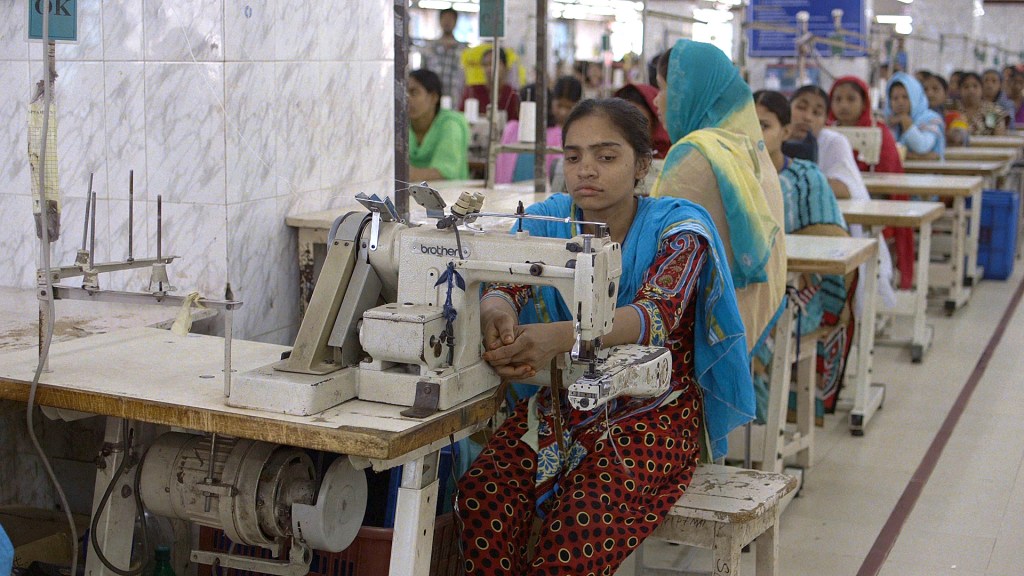
In the past decade, there have been countless journalistic exposés from credible souses exposing the inhumane conditions of fast fashion factories. It is crucial that you read and educate yourself on the grim realities of the fast-fashion industry. The New York Time’s have conducted heart-wrenching stories on sweatshop labor conditions in Asia, underpaid Fashions Nova workers in Los Angles and retailers like H&M falling short of facilitating safe labour conditions overseas

2. Watch

Watching an inspirational movie can help mobilize change. The documentary Machine exposes the dark reality of the fast fashion industry. The graphic depictions of the inhumane conditions suffered by workers worldwide at the hands of large corporations will give you the chills. This film will enhance your awareness surrounding the pressing issues of sustainability, exploitation and, child labour. 

Image: Films for the Earth

 3. Research

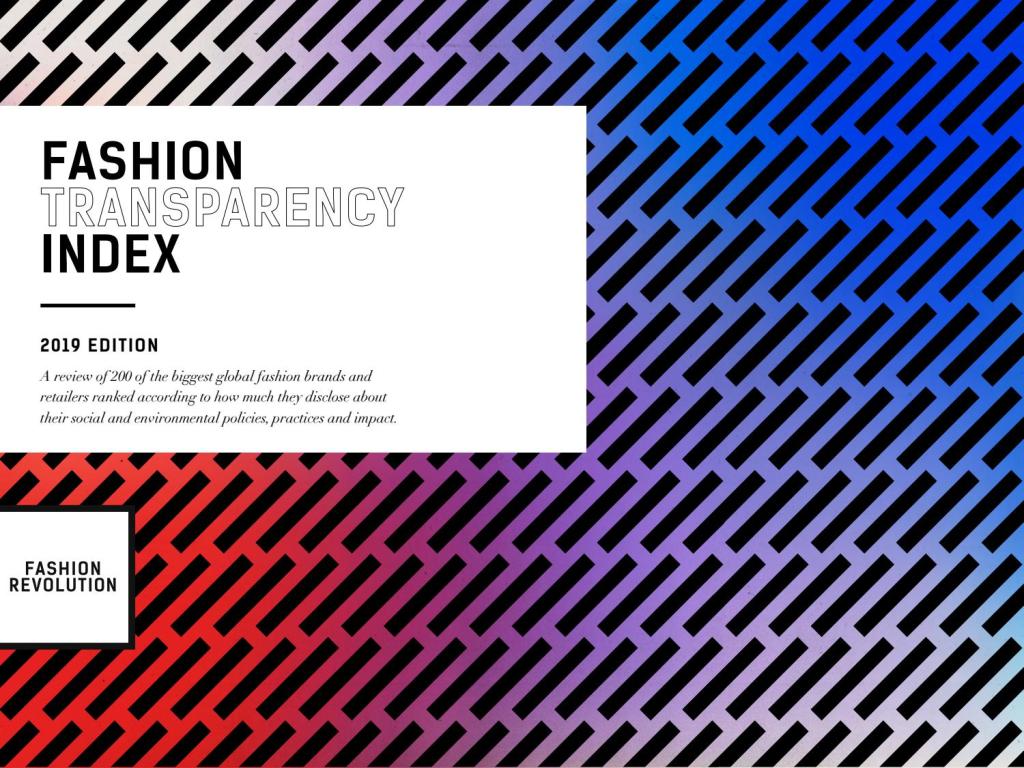
There are Fashion Transparency Indexes that reveal and rank a company’s policies and commitments on human rights and the environment. As consumers, we can inform ourselves about the issues and discover what brands we can trust to be ethical. Not all brands made in developing countries are bad—some brands like Known Supply have built ethical factories in developing countries to create employment opportunities. It is important to do your research so you can understand how different companies operate. 

Image: Fashion Transparency Index

4. Think Local

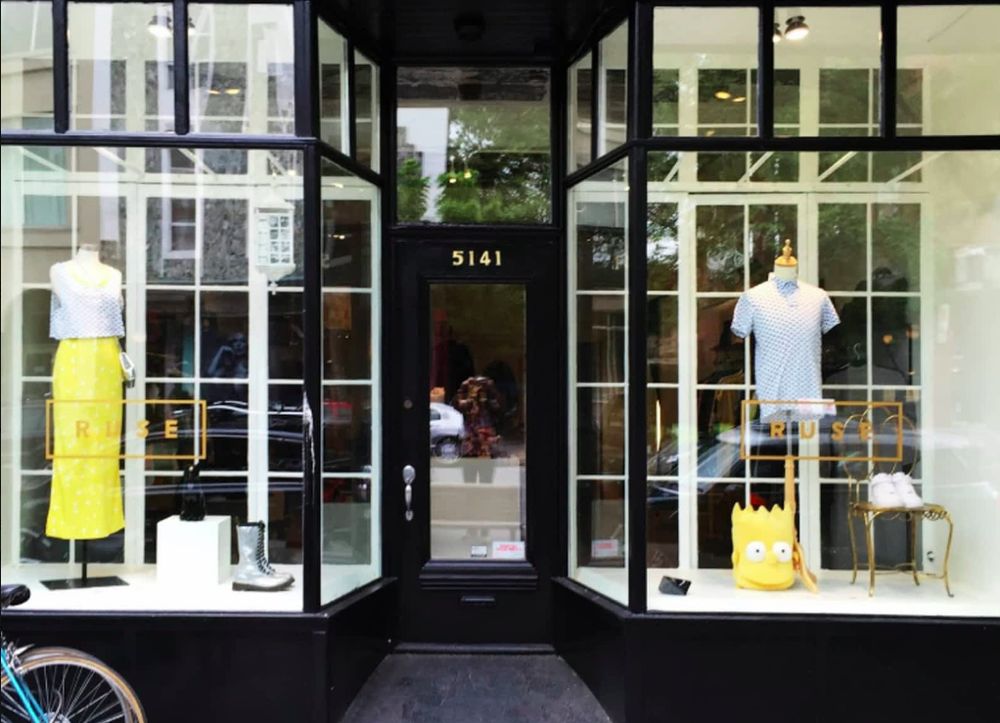
It’s important to learn about the ethical options accessible to you. Greats options are your local second-hand clothing stores like the Mile End shop Ruse Boutique. You can also donate your clothes to the student-run McGill fashion show SynesthASIA which raises money for poverty alleviation projects throughout Asia. 

5. Don’t Compromise

 Brands like Reformation and Everlane prioritize suitability and safe labour are a reminder that ethically made clothing can still be trendy and affordable. You can still look fabulous without compromising your morals!

Image: Reformation