

#COTTONISROTTEN
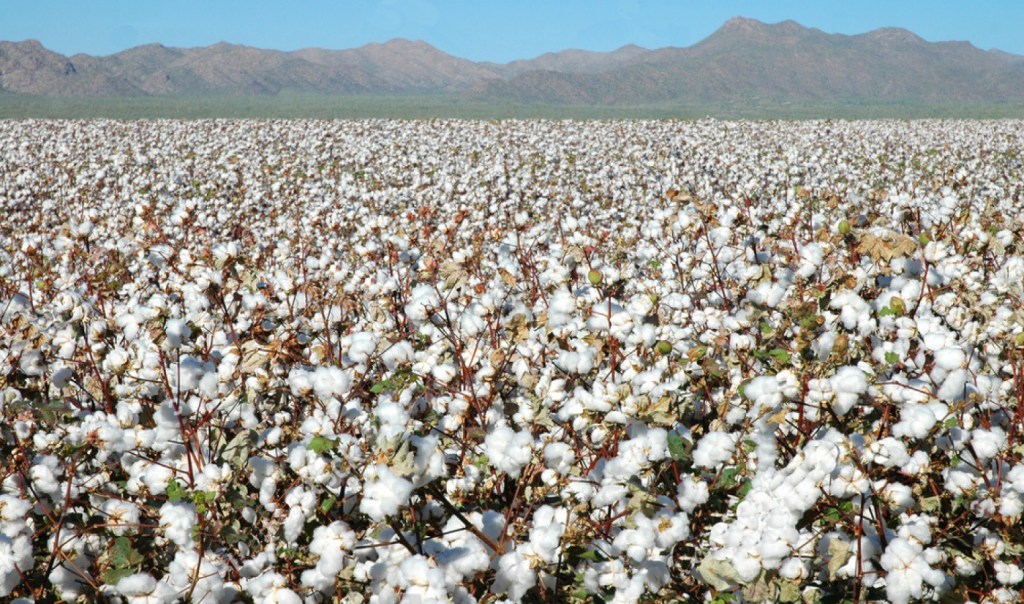
Your favourite t-shirt may be toxic. Cotton is a popular fabric used in clothing. In fact, 75% of the world’s clothing products contain cotton. Unfortunately, cotton has catastrophic environmental drawbacks. Cotton is killing, and we have the power to help. This petition will explain the cotton industries harmful environmental impact and show you how to help stop it.
WATER WASTE
The cotton plant is thirsty.
“8506 liters of water (irrigation and rainfall) are needed on average to grow 1 kg of cotton lint (or roughly a pair of jeans) and the textile industry is estimated to use 378 billion liters of water annually, using up to 200 liters of water to process, dye and finish each kilo of textiles.”
WWF
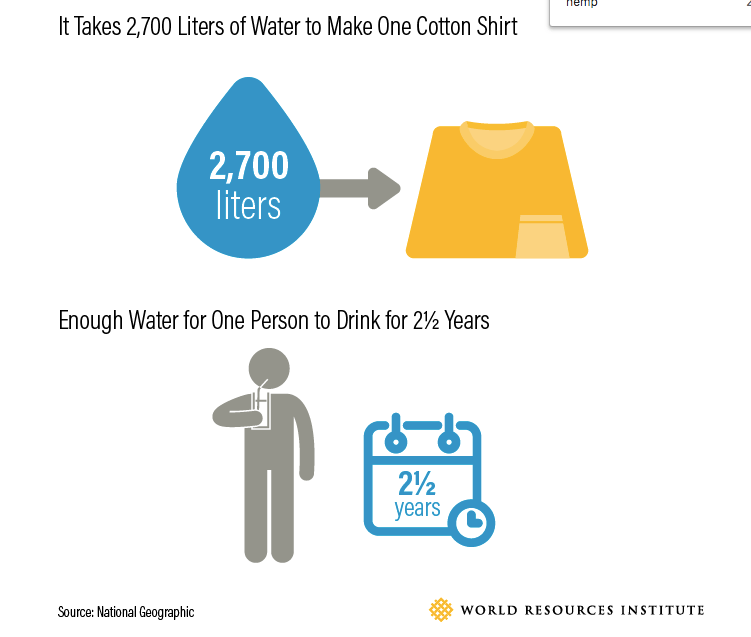
1/3 of the worlds population lives in countries that experience water shortages.
It is unethical and unacceptable that so much water is being wasted on cotton plants. Did your new cotton dress take water away from someone suffering? I might have.
PESTICIDES & INSECTICIDES
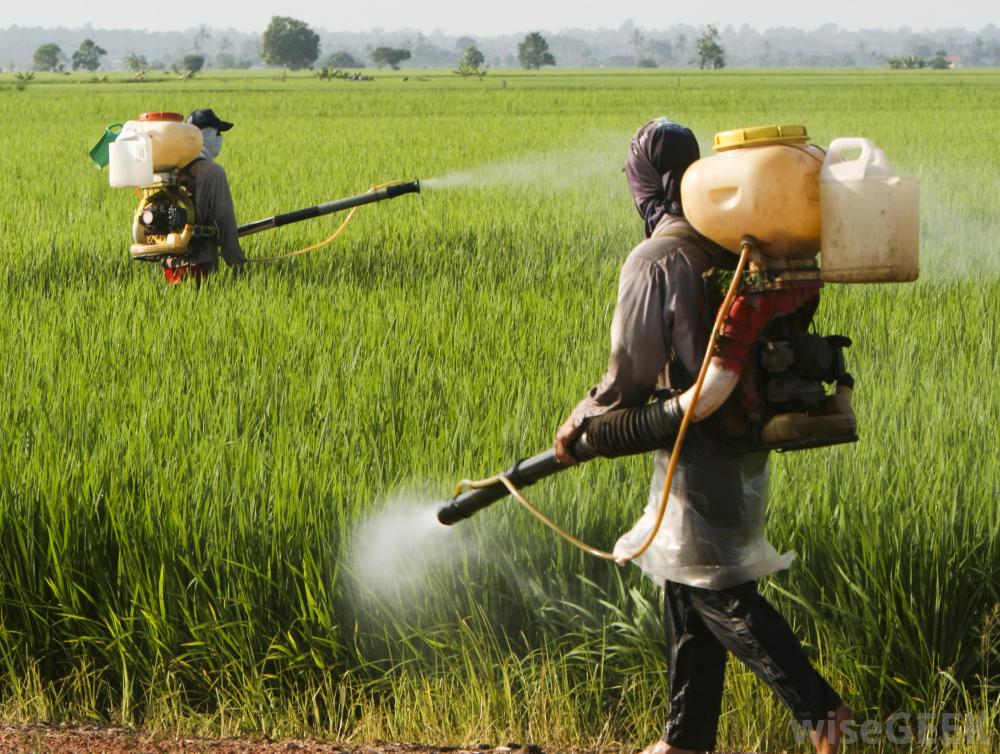
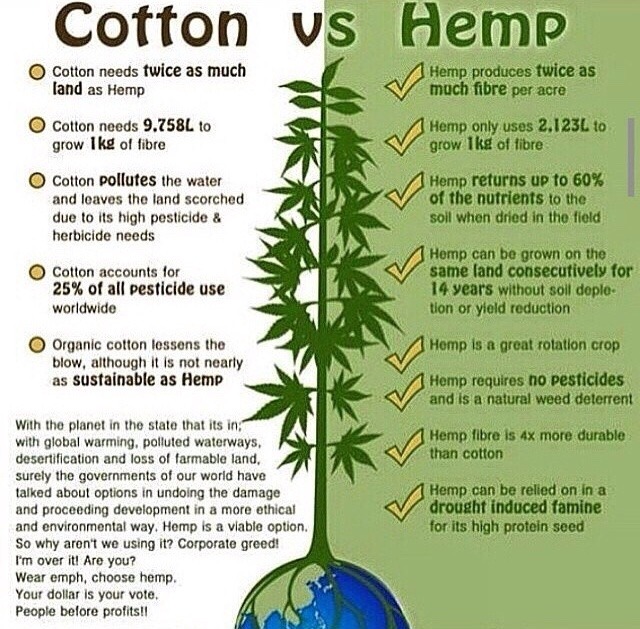
Cotton production accounts for 18% of worldwide pesticide use
Cotton production accounts for 25% of worldwide total insecticide use.
Producers of conventional cotton are being poisoned by the heavy pesticide use. Over 10,000 US farmers die each year from cancers related to such chemicals. As reported by The Guardian, cotton plants rely on these harsh chemicals for production. Pesticides and insecticides are strong chemicals that are released into the environment, destroying ecosystems and harmfully effecting the health of farmers.
Pesticides and insecticides also harm our planet. These chemicals are designed to kill, and when they enter the earths delicately balanced ecosystems they damage them. Pesticides and insecticides damage soil, water, and other vegetation. They are harm/kill a host of other organisms beneficial to the earth such as birds, fish, insects and plants.
Next time when you are out shopping, think about if your new cotton sweater is more important than human life and the state of our planet?
Solution
There are environmentally friendly alternatives to cotton! Lets force corporations to use them!
Organic cotton is a great an excellent alternative to regular cotton because it is grown without toxic chemicals.
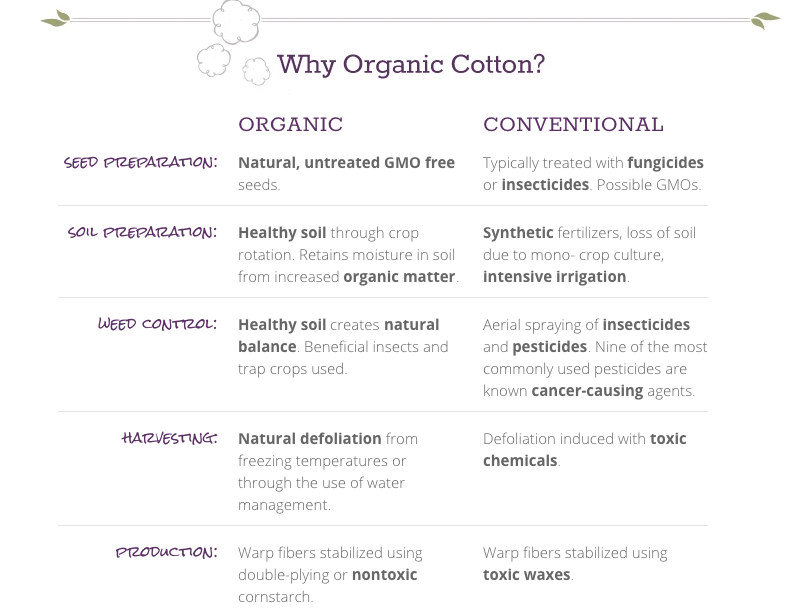
- Brands using organic cotton you should support
Another great cotton alternative is bamboo. Bamboo requires less water to grow than cotton and has the ability to self-replenish.
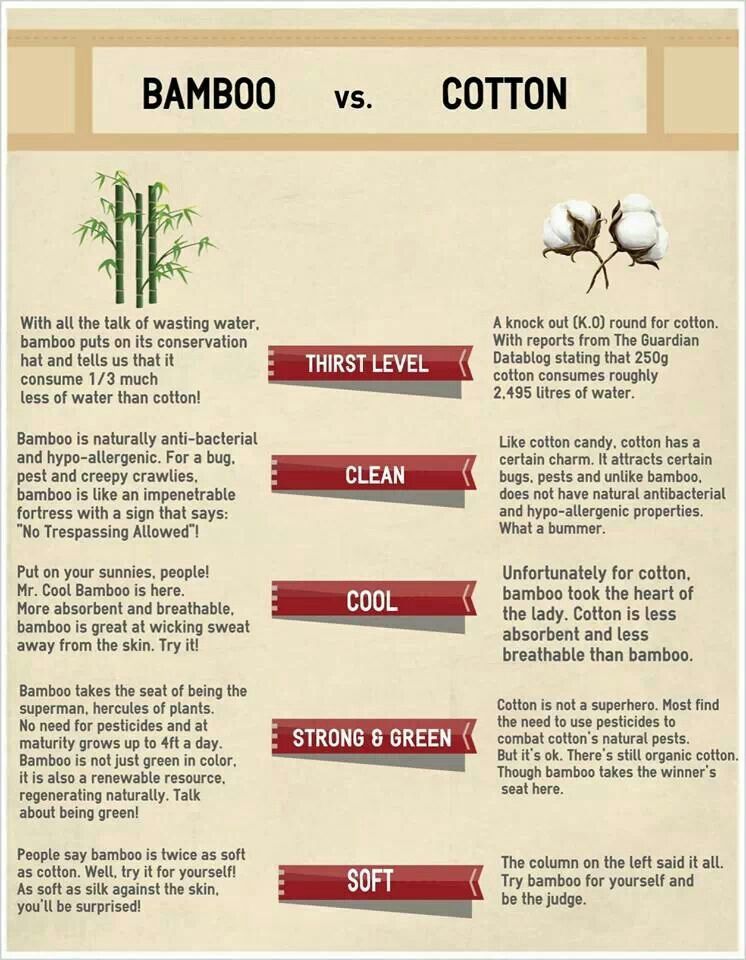
Hemp is another great material to swap with cotton. Hemp is cost-effective and is easy on the environment. It does not require lots of water and does not shed toxins into our water supply or ecosystem.
Call to Action
By supporting organic cotton distributors and companies using sustainable cotton alternatives like bamboo and hemp, together, we can reduce the environmental impact of cotton production.
As consumers, we have the power to demand change. Sign this petition to let fashion brands know that you care about the environment and the quality of human life.
Show your support on social media by sharing this petition with the hashtag #CottonIsRotten. Circulating this petition will shine a light on the unethical cotton industry and remind people to make informed decisions about the kinds of materials you choose to purchase.
You have a voice, it’s time for you to use it.

 The Ethical Fashion Forum